A Set Flowers Watercolor: A Designer's Review for Real Projects
When I first opened the folder containing A Set Flowers Watercolor, my immediate reaction wasn't just about the aesthetic; it was about translation. As an experienced designer, I know that what looks stunning on a screen in high-resolution RGB often faces a harsh reality check when converted into thread on fabric. This collection falls under the Illustrations category, which immediately signals a need for careful handling. Watercolor styles rely on soft gradients and bleeding edges, elements that are notoriously difficult to replicate with the rigid structure of machine embroidery. However, after mentally walking through several potential applications, I can see exactly where this design shines and where it requires a steady hand and smart material choices.
The Visual Personality and First Impressions
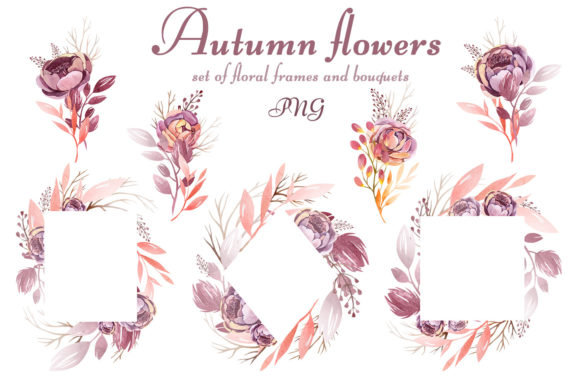
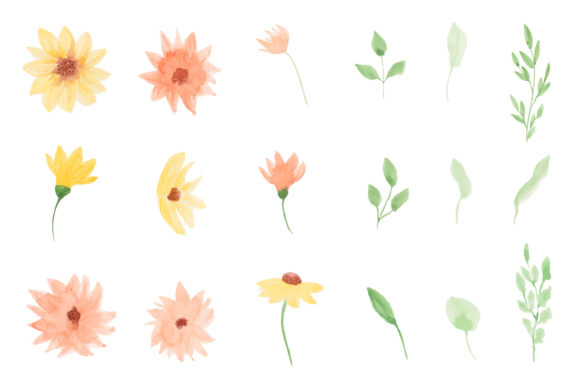
The mood of A Set Flowers Watercolor is undeniably soft, romantic, and organic. Unlike bold, graphic vector art that screams for attention with hard lines, this design whispers. It feels like something you would find in a boutique nursery or on a high-end linen tote. The layout suggests a natural flow, likely utilizing a mix of fill stitch variations to mimic the wash of paint and perhaps some delicate running stitch outlines to define the petals without overpowering them. For a designer, the appeal here is the versatility of the theme. It isn't tied to a specific holiday or trend, making it a perennial asset for a craft business looking to maintain consistent branding across seasons.
What stands out most is the potential for texture. If the embroidery file is digitized well, it should utilize varying stitch angles to create depth, preventing the "flat" look that plagues many floral designs. The visual personality is gentle, which means it works exceptionally well for projects aiming to evoke warmth and care. It is not a design for aggressive streetwear or industrial workwear; it belongs in spaces where comfort and elegance are the primary goals.
Real-World Application: The Custom Tote Scenario
To truly evaluate A Set Flowers Watercolor, let's imagine a real-life scenario: preparing a custom order for a local bridal shower. The client wants a set of canvas tote bags for the bridesmaids. This is a classic use case for this type of artwork. Canvas provides the stability needed for the intricate details of a watercolor-style machine embroidery design. Because the fabric has a tight weave, the stitches will sit on top rather than sinking in, preserving the clarity of the flower shapes.
In this context, the design elevates a simple $5 bag into a $25 handmade product. The softness of the flowers contrasts beautifully with the rugged texture of the canvas, creating a tactile experience that customers love. If I were stitching this, I would position the design slightly off-center for a modern, artistic feel. The result would be a finished product that feels curated rather than mass-produced. For an Etsy seller, this kind of application is gold. It photographs well for printable mockup previews and translates into a tangible item that feels luxurious.
Beyond totes, this design is a strong contender for sweatshirt embroidery. On a fleece or French terry background, the watercolor effect can soften the sporty nature of the garment, turning a basic hoodie into a piece of wearable art. However, one must be cautious with looped fabrics; if the stitch density is too low, the loops might poke through the stitching, muddying the watercolor effect. A cut-away stabilizer would be non-negotiable here to support the weight of the design and prevent puckering over time.
Navigating Technical Challenges and Fabric Choices
While the aesthetic is lovely, A Set Flowers Watercolor demands respect regarding fabric selection. This is not a design to blindly throw onto stretchy jersey knits or slippery silks without rigorous testing. The nature of watercolor illustrations often implies subtle color shifts. If the digitizing relies heavily on long satin runs to achieve these gradients, the design may pull on thin fabrics, causing distortion. For baby embroidery projects, where softness is paramount, you must ensure the back of the stitching is covered or that the density is low enough not to irritate sensitive skin.
Curved surfaces present another hurdle. If you plan to use this on a cap, the structural integrity of the front panel is crucial. The detailed corners of the petals could get lost or distorted on the curve of a hat brim if the hoop size isn't managed correctly or if the framing is off. Similarly, dark fabrics can be tricky. Watercolor designs often rely on white space or light threads to create the "wash" effect. On a black navy background, you might need to introduce an underlay or a backing layer to make the colors pop, otherwise, the design might look muddy or indistinct.
It is also vital to consider the washing instructions for the final item. Dense areas in floral designs can trap water and detergent, leading to stiffness or fraying after multiple washes. For items like kitchen towels or aprons that see frequent laundering, I would recommend reviewing the stitch count and density carefully. If the design feels too heavy, it might be better suited for decorative pillows or wall hangings rather than high-friction apparel.
Enhancing Brand Value and Customer Trust
From a business perspective, using A Set Flowers Watercolor effectively can significantly boost perceived value. In the world of commercial embroidery, consistency is key. If this design aligns with your brand's visual identity—say, a shop specializing in bohemian or cottage-core aesthetics—it reinforces buyer engagement. Customers trust products that look cohesive and thoughtfully designed. A blurry, poorly stitched floral motif can undermine that trust instantly, but a crisp, well-executed version of this illustration signals professionalism.
The design also offers excellent opportunities for personalization. Because the floral elements are likely distinct, there may be room to add monograms or names using a complementary font without cluttering the composition. This transforms a standard design asset into a personalized gift, allowing you to charge a premium. For small shop product lines, having a versatile illustration like this means you can create an entire collection—pillows, totes, tees, and patches—that feels unified.
Practical Notes for the Embroidery Designer
Before committing to a production run with A Set Flowers Watercolor, adhere to these practical steps to ensure success:
- Test on Scrap Fabric: Always stitch a sample on the exact fabric you intend to use. Thread tension behaves differently on linen than it does on polyester blends.
- Check Thread Contrast: Watercolor effects rely on subtle shifts. Ensure your thread colors have enough distinction to be seen but enough harmony to blend smoothly.
- Review Stitch Density: Inspect the back of the test stitch-out. If it looks like a solid block of thread, you may need to adjust settings or change stabilizers to reduce bulk.
- Verify Hoop Size: Confirm that the design fits within your available hoop without needing excessive re-hooping, which can lead to alignment issues.
- Inspect Small Details: Zoom in on the digital file and the physical sample. Tiny petals or leaves might disappear if the resolution or stitch length isn't optimized for your machine.
- Mockup Testing: Create black and white mockups to see how the design holds up without color reliance. This helps judge the structural integrity of the lines.
- Licensing Check: Since this is a commercial asset, always confirm the license terms. Ensure you are cleared to sell finished items or if there are restrictions on the number of units produced.
Ultimately, A Set Flowers Watercolor is a promising addition to any designer's library, provided it is treated with the technical nuance it requires. It bridges the gap between digital art and tactile craft, offering a way to bring the ethereal beauty of watercolor into the durable world of thread. Whether you are creating a one-off holiday embroidery gift or scaling up a line of custom apparel, this design has the potential to deliver beautiful results when paired with the right materials and a keen eye for detail.